Intelligent immunity.

Immune support that keeps up.*


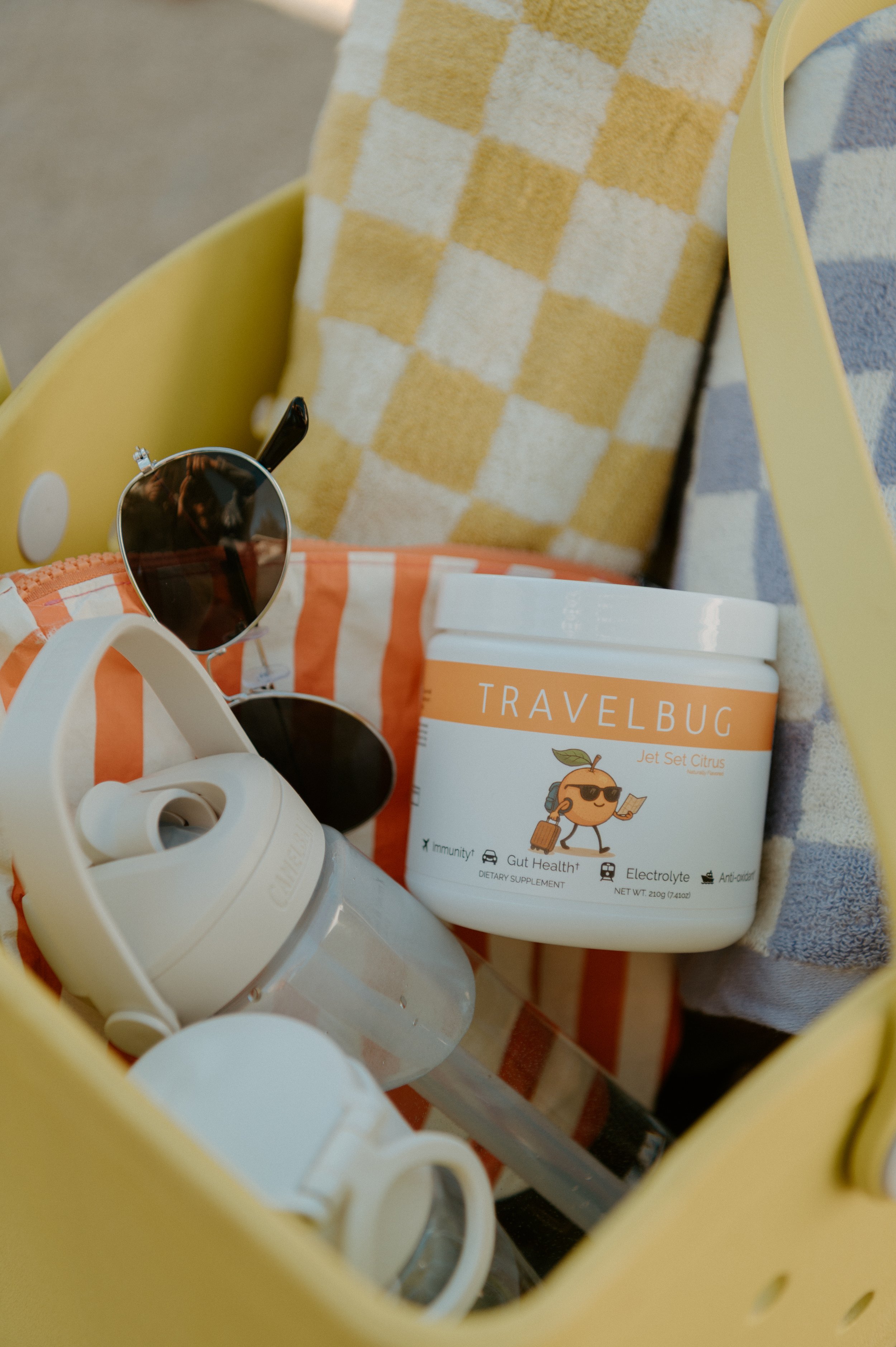

Wellness without compromise.
Elevated immunity.
Intelligently designed.
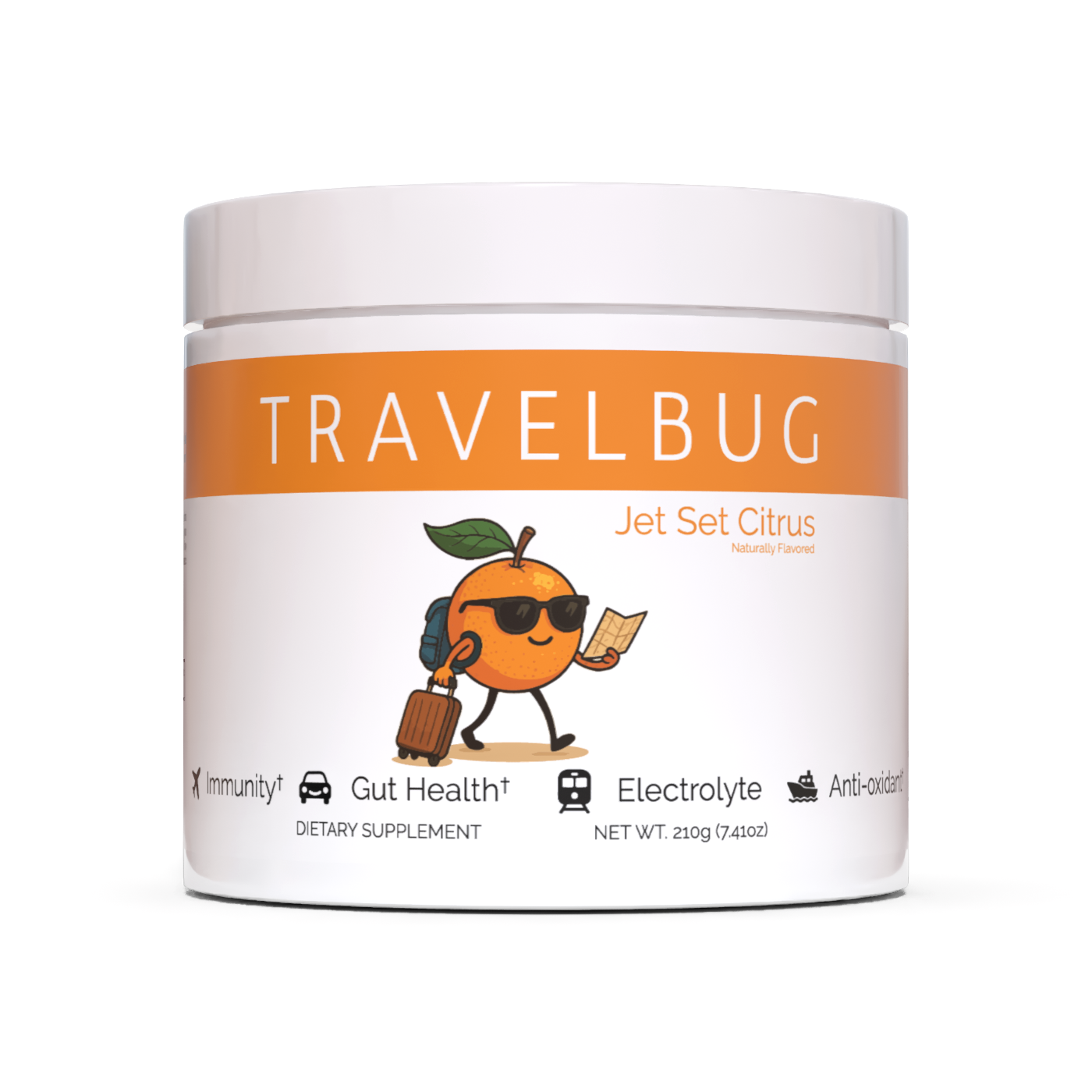
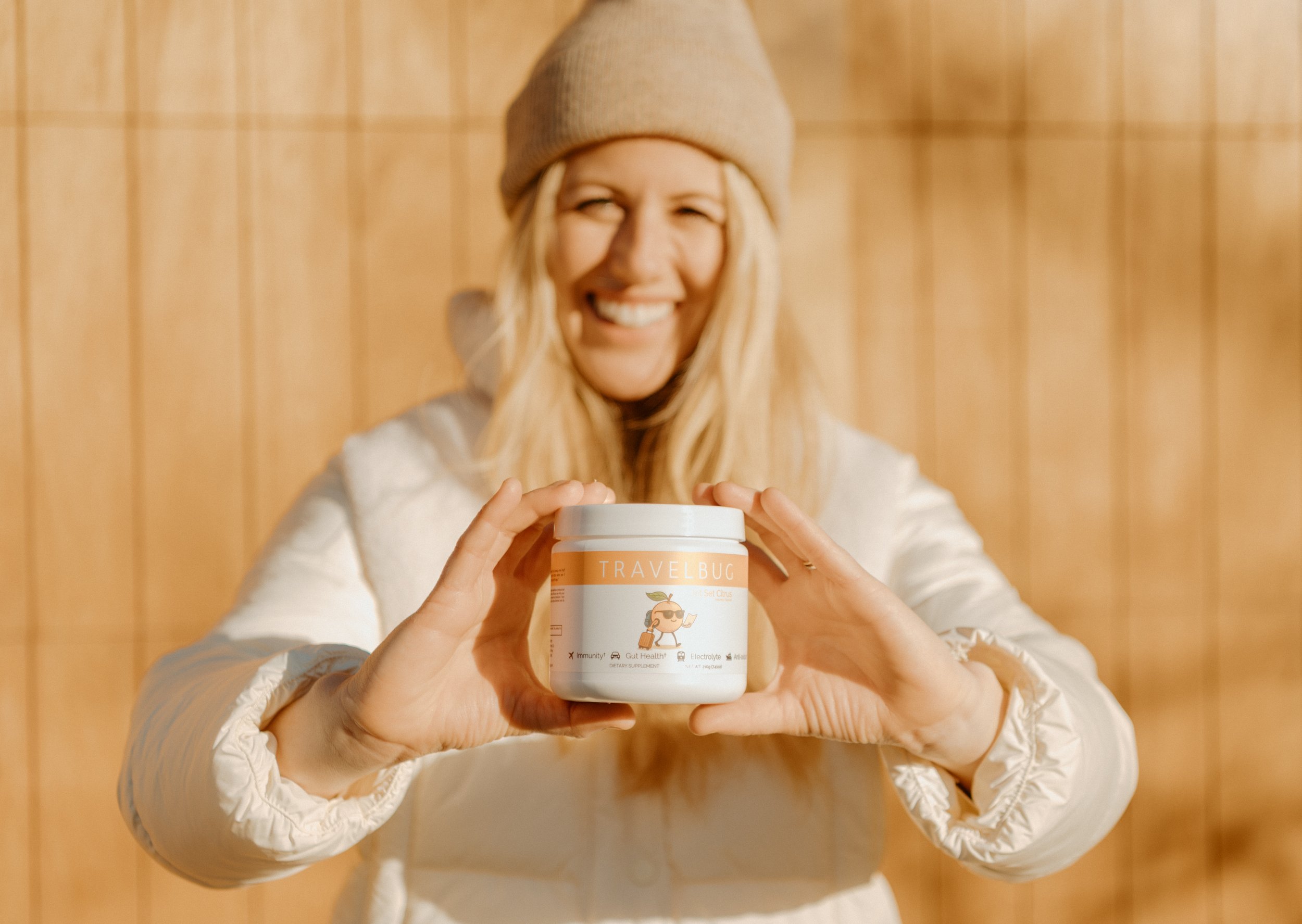
TravelBug is premium, science-backed immune support powder designed for life in motion.* Thoughtfully formulated with research-driven ingredients and perfectly portioned dosing, TravelBug delivers reliable immune protection without the guesswork. Created for families, professionals, and modern travelers, it blends advanced wellness with effortless convenience—so you can focus on the journey, not missing it. Travel smarter, stay stronger, and feel ready for wherever life takes you.
Powerful immune-boosting ingredients to help your whole crew stay healthy—whether you're navigating a crowded airport or a school-day morning rush.*
Created with families and traveling professionals in mind.
Your daily dose of travel-tested wellness, designed to fuel little explorers and grown-up globetrotters alike.*
TravelBug is premium, science-backed immune support powder designed for life in motion.* Thoughtfully formulated with research-driven ingredients and perfectly portioned dosing, TravelBug delivers reliable immune protection without the guesswork. Created for families, professionals, and modern travelers, it blends advanced wellness with effortless convenience—so you can focus on the journey, not missing it. Travel smarter, stay stronger, and feel ready for wherever life takes you.
Powerful immune-boosting ingredients to help your whole crew stay healthy—whether you're navigating a crowded airport or a school-day morning rush.*
Created with families and traveling professionals in mind.
Your daily dose of travel-tested wellness, designed to fuel little explorers and grown-up globetrotters alike.*
The science of staying well.
L-lysine:
your antiviral peacekeeper
An essential amino acid that the body can’t make on its own—meaning we must obtain it through diet or supplementation. Known for its antiviral properties, especially against herpes-family viruses, L-lysine acts like the immune system’s peace negotiator: blocking viral activity, calming inflammatory flare-ups, and supporting tissue repair while the immune system does its job.*
-
Inhibits viral replication, particularly for herpes simplex viruses (cold sores & similar viral irritations).
Competes with arginine, an amino acid needed for viral replication—essentially starving certain viruses of the resources they require to multiply.
Supports collagen formation and tissue repair, helping mucosal and epithelial tissues recover more quickly from infection or inflammation.
May reduce frequency, severity, and healing time of recurrent viral outbreaks, especially under stress or immune strain.
Supports antibody production, strengthening immune system readiness.
Well tolerated for both short-term immune defense and regular preventive dosing, especially during travel or high-stress seasons.
-
L-lysine supplementation can significantly reduce occurrence and duration of herpes simplex outbreaks.
Lysine-to-arginine ratio in diet influences viral reactivation rates.
L-lysine may support favorable mucosal immune responses and tissue healing.
Its antiviral activity is enhanced when combined with zinc, vitamin C, and bioflavonoids.
L-lysine supplementation has demonstrated immune-supportive benefits in individuals prone to recurrent viral infections.
-
Griffith RS, et al. Success of L-lysine therapy in frequently recurrent herpes simplex infection. Dermatologica. 1987;175(4):183-190.
Milman N, et al. Lysine supplementation in recurrent herpes simplex infections. Acta Derm Venereol. 1980;60(1):85-87.
Sharon C, Iulia C. Amino acids and antiviral immunity: role of lysine-arginine balance. Adv Exp Med Biol. 2021;1285:99-112.
Williams R. Nutritional modulation of viral disease. J Nutr Env Med. 1995;5(3):273-290.
Zinc Gluconate: your immune system’s tactical strategist.
One of the most well-studied immune-supportive minerals—and when provided in the highly bioavailable gluconate form, it becomes even more effective. Zinc is like the operations coordinator for the immune system: calling shots, positioning resources, and ensuring immune cells communicate, organize, and strike the right targets.*
-
Supports foundational immune cell development, including T-cells, B-cells, and natural killer (NK) cells—essential defenders against infection.
Helps your body mount a targeted immune response, supporting precision rather than chaotic, over-inflammatory reactions.
Stabilizes cell membranes and acts as an antioxidant, protecting cells from damage during immune activation.
Interferes with viral replication, especially in upper respiratory viruses—making it harder for them to multiply in the body.
Supports thymus gland function, which essentially “trains” immune cells to recognize threats accurately.
Enhances mucosal immunity, reinforcing protective barriers lining the mouth, nose, throat, and gut.
More tolerable and gentler on the stomach in gluconate form, compared to other zinc salts like sulfate.
-
Zinc supplementation can reduce the duration and severity of the common cold—especially when taken at symptom onset.
Zinc deficiency impairs both innate and adaptive immunity, reducing resistance to viral infection.
Zinc is essential for cytokine regulation and immune communication signaling.
Zinc gluconate lozenges have been shown to directly inhibit viral activity in the nasopharyngeal region (throat + nasal passages).
Adequate zinc status supports proper function of the thymus gland and T-cell–mediated immunity.
-
Prasad AS. Zinc in human health: effect on immune cells. Mol Med. 2008;14(5-6):353-357.
Hemilä H. Zinc lozenges and the common cold: a meta-analysis. J R Soc Med Open. 2017;8(5):2054270417694291.
Read SA, Obeid S, Ahlenstiel C, Ahlenstiel G. The role of zinc in antiviral immunity. Adv Nutr. 2019;10(4):696-710.
Shankar AH, Prasad AS. Zinc and immune function: the biological basis of altered resistance to infection. Am J Clin Nutr. 1998;68(2 Suppl):447S-463S.

Electrolytes: not just for athletes.
Most people associate electrolytes with sweating after a workout—but their role in immune health is far more interesting than just “replacing what you lost.” Electrolytes—like sodium, potassium, magnesium, calcium, chloride and phosphate—are vital charged particles that help maintain fluid balance, cellular communication, and immune responsiveness. If vitamin C is the military powerhouse, electrolytes are the command center: coordinating communication, stabilizing defenses, and ensuring immune cells can actually do their jobs.*
-
Maintain proper fluid balance in mucosal tissues (think nasal passages, lungs, digestive lining), helping keep the physical barrier against pathogens strong and functional.
Support optimal function of immune cells, including macrophages, lymphocytes and neutrophils—helping them communicate and mobilize more efficiently.
Regulate nerve and muscle conduction, including respiratory muscles—which matters big time when your immune system is fighting inflammation, coughing, or congestion.
Magnesium in particular regulates inflammation, influences cytokine activity, and plays a role in antibody formation.
Potassium is essential for cellular signaling, which enables immune cells to activate, migrate, and respond to foreign invaders.
Calcium acts as a “second messenger”, signaling immune cells to respond when pathogens are detected—like flipping the body’s internal “immune system ON switch.”
Even mild dehydration impairs immune function, meaning electrolyte-supported hydration can literally help the body respond more effectively to infection.
-
Hydration and electrolyte balance are essential for immune cell transport and function, supporting both innate and adaptive immunity.
Magnesium deficiency is associated with increased inflammation and impaired immune surveillance.
Potassium channels are needed for T-cell activation and immune regulation.
Calcium-mediated signaling pathways direct immune cell response and cytokine release.
Electrolyte-balanced rehydration improves mucosal barrier function, which may reduce susceptibility to respiratory infections.
-
Tam M, Gomez S, Gonzalez-Gross M, Marcos A. Possible roles of magnesium on the immune system. Eur J Clin Nutr. 2003;57(10):1193-1197.
Feske S. Calcium signalling in lymphocyte activation and disease. Nat Rev Immunol. 2007;7(9):690-702.
Wulff H, Castle NA, Pardo LA. Voltage-gated potassium channels as therapeutic targets. Nat Rev Drug Discov. 2009;8(12):982-1001.
Jeong ES, Nguyen TT, et al. Influence of hydration on mucosal immunity. Nutrients. 2019;11(11):2663.

Vitamin D: more than a “sunshine vitamin.”
Vitamin D’s role in immune function is one of the most well-researched—and clinically relevant—nutrients in modern medicine. Vitamin D functions less like a typical vitamin and more like a hormone, directly influencing how immune cells develop, communicate, and respond to threats. If vitamin C is the frontline soldier, vitamin D is the strategist—training immune cells when to attack, when to stand down, and how to avoid friendly fire.*
-
Vitamin D receptors are found on nearly all immune cells, including macrophages, dendritic cells, T cells, and B cells—meaning vitamin D directly shapes immune behavior, not just general health.
It supports innate immunity by enhancing the body’s first line of defense, including antimicrobial peptides like cathelicidin and defensins, which help neutralize viruses and bacteria early.
Vitamin D helps regulate adaptive immunity, promoting a balanced T-cell response—strong enough to fight infection, but controlled enough to reduce excessive inflammation.
Adequate vitamin D levels are associated with reduced risk of respiratory infections, including upper respiratory tract infections and viral illnesses.
Vitamin D plays a key role in immune tolerance, helping prevent immune overreaction and supporting healthy inflammatory control—especially important during prolonged infections.
Low vitamin D levels are linked to increased susceptibility to infections, longer illness duration, and higher inflammatory markers.
Seasonal drops in vitamin D (especially fall and winter) closely mirror spikes in respiratory illness—one reason vitamin D status matters year-round, not just during flu season.
-
Vitamin D supplementation reduces the risk of acute respiratory tract infections, particularly in individuals with low baseline vitamin D levels.
Vitamin D enhances antimicrobial peptide production, strengthening mucosal defenses in the lungs and airways.
Deficiency is associated with impaired immune regulation and increased inflammatory cytokine activity.
Vitamin D helps modulate both innate and adaptive immune responses, supporting immune resilience without overstimulation.
Maintaining sufficient vitamin D levels is associated with improved immune outcomes across multiple age groups.
-
Aranow C. Vitamin D and the immune system. J Investig Med. 2011;59(6):881–886.
Martineau AR, Jolliffe DA, Hooper RL, et al. Vitamin D supplementation to prevent acute respiratory tract infections: systematic review and meta-analysis of individual participant data. BMJ. 2017;356:i6583.
Gombart AF, Pierre A, Maggini S. A review of micronutrients and the immune system—working in harmony to reduce the risk of infection. Nutrients. 2020;12(1):236.
Prietl B, Treiber G, Pieber TR, Amrein K. Vitamin D and immune function. Nutrients. 2013;5(7):2502–2521.
Sabetta JR, DePetrillo P, Cipriani RJ, et al. Serum 25-hydroxyvitamin D and the incidence of acute viral respiratory tract infections in healthy adults. PLoS One. 2010;5(6):e11088.
Larch Arabinogalactan: your immune system’s communication booster.
Derived from the larch tree (Larix species), arabinogalactan is a powerful prebiotic fiber with unique immune-modulating properties. If zinc is the strategist and electrolytes are the command center, larch arabinogalactan is like the immune system’s messaging network—allowing immune cells to coordinate efficiently, detect threats early, and mobilize the right response with precision.*
-
Enhances natural killer (NK) cell activity, supporting rapid immune defense against viral-infected cells.
Stimulates macrophages—the immune system’s front-line scavengers, helping them engulf pathogens more effectively.
Promotes production of short-chain fatty acids (SCFAs) in the gut, improving gut-immune signaling and supporting anti-inflammatory balance.
Supports beneficial gut microbes, making it a gentle prebiotic that strengthens the microbiome’s role in immunity.
Encourages healthy mucosal immunity, improving defenses across the respiratory, digestive, oral, and sinus tissues.
Well tolerated with a low side-effect profile, even when taken regularly for ongoing immune resilience.
-
Larch arabinogalactan enhances immune cell function, particularly NK cells and macrophages.
It increases production of SCFAs such as butyrate, which improves gut immunity and reduces inflammatory burden.
Supplementation has been shown to reduce incidence of common respiratory infections in both adults and children.
Its prebiotic effect positively modulates the microbiome, indirectly supporting systemic immune strength.
It supports mucosal barrier immunity—the body’s first line of defense against airborne and gastrointestinal pathogens.
-
Grieshop CM, Flickinger EA, Fahey GC Jr. Oral administration of arabinogalactan influences immune status in humans. J Nutr. 2002;132(3):478-481.
Kelly GS. Larch arabinogalactan: clinical relevance of a novel immune-enhancing polysaccharide. Altern Med Rev. 1999;4(2):96-103.
Udani JK, et al. Immunomodulatory effects of a standardized larch arabinogalactan extract. Nutrition Journal. 2010;9:32.
D’Adamo CR, Dorak MT, et al. Bioactive effects of arabinogalactan on gut immunity. Front Immunol. 2014;5:214.
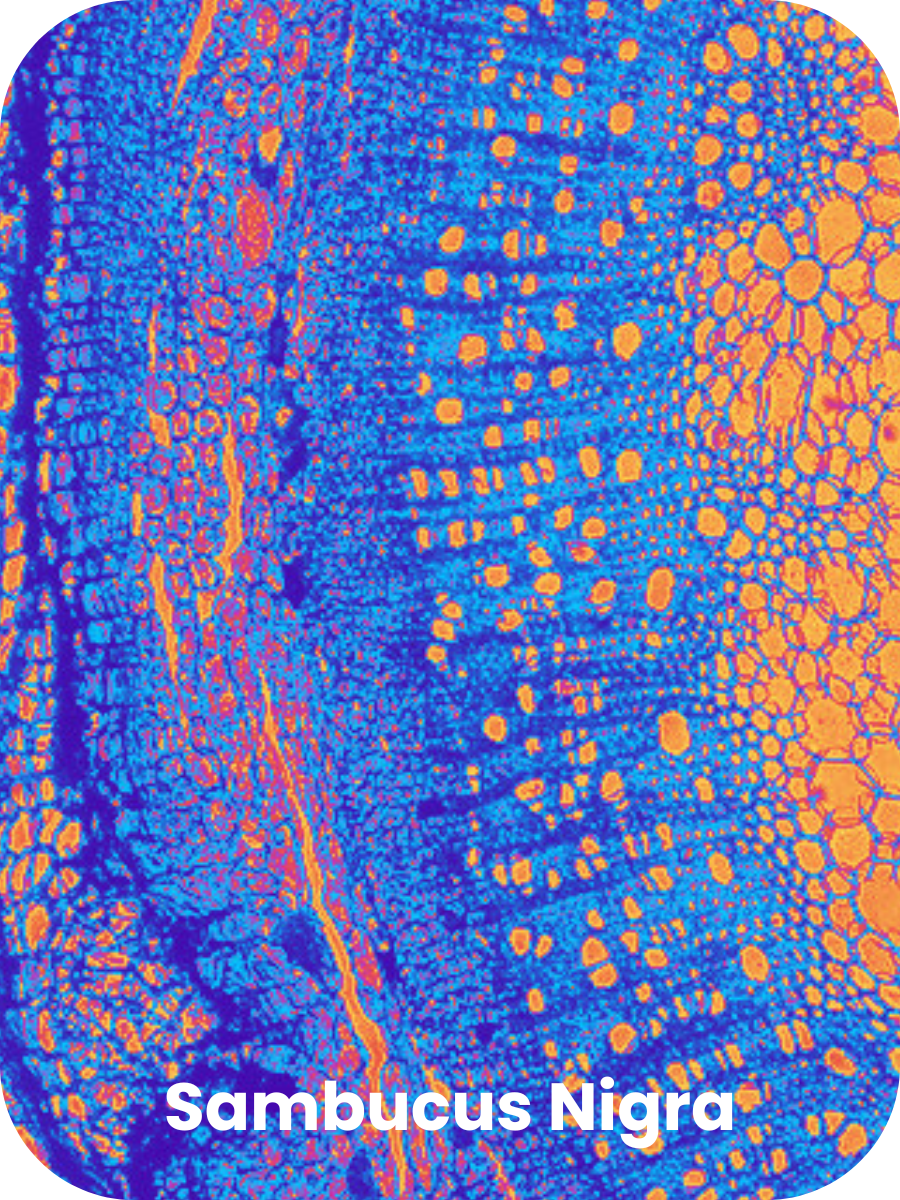
Sambucus Nigra (Black Elderberry): your immune system’s rapid-response ally.
Used for centuries, and modern research confirms what traditional medicine long believed: this berry is a fast-acting immune supporter with real antiviral benefits. Elderberry functions like a first responder for your immune system—recognizing viral threats quickly, helping the body respond efficiently, and reducing the intensity of symptoms.*
-
Blocks viral entry and attachment, making it more difficult for viruses to penetrate and infect host cells.
Promotes a balanced inflammatory response, supporting the immune system without provoking excessive cytokine activity.
Packed with anthocyanins and flavonoids, which have powerful antioxidant and immune-supportive properties.
Helps reduce duration and severity of upper respiratory infections, especially when taken early in symptom onset.
Supports mucosal immunity, helping protect the throat, nose, and respiratory lining.
Shown to be safe and well tolerated, including for seasonal, travel-related, or situational immune use.
-
Elderberry extract can significantly shorten duration of colds and influenza-like illnesses.
Elderberry constituents directly inhibit viral replication and viral-host cell binding.
Supplementation supports antibody-mediated immune responses.
Elderberry’s bioflavonoids have been shown to enhance cytokine messaging in a beneficial, balanced manner.
Anthocyanin-rich elderberry exhibits strong antioxidant activity that reduces immune stress during viral challenge.
-
Zakay-Rones Z, et al. Randomized study of the efficacy and safety of oral elderberry extract in the treatment of influenza. J Int Med Res. 2004;32(2):132-140.
Tiralongo E, et al. Elderberry supplementation reduces respiratory symptoms and illness duration in air travelers. Nutrients. 2016;8(4):182.
Ulbricht C, et al. An evidence-based systematic review of elderberry and elderflower. J Diet Suppl. 2014;11(1):80-142.
Roschek B Jr., et al. Elderberry flavonoids bind to and prevent H1N1 infection in vitro. Phytochemistry. 2009;70(10):1255-1261.
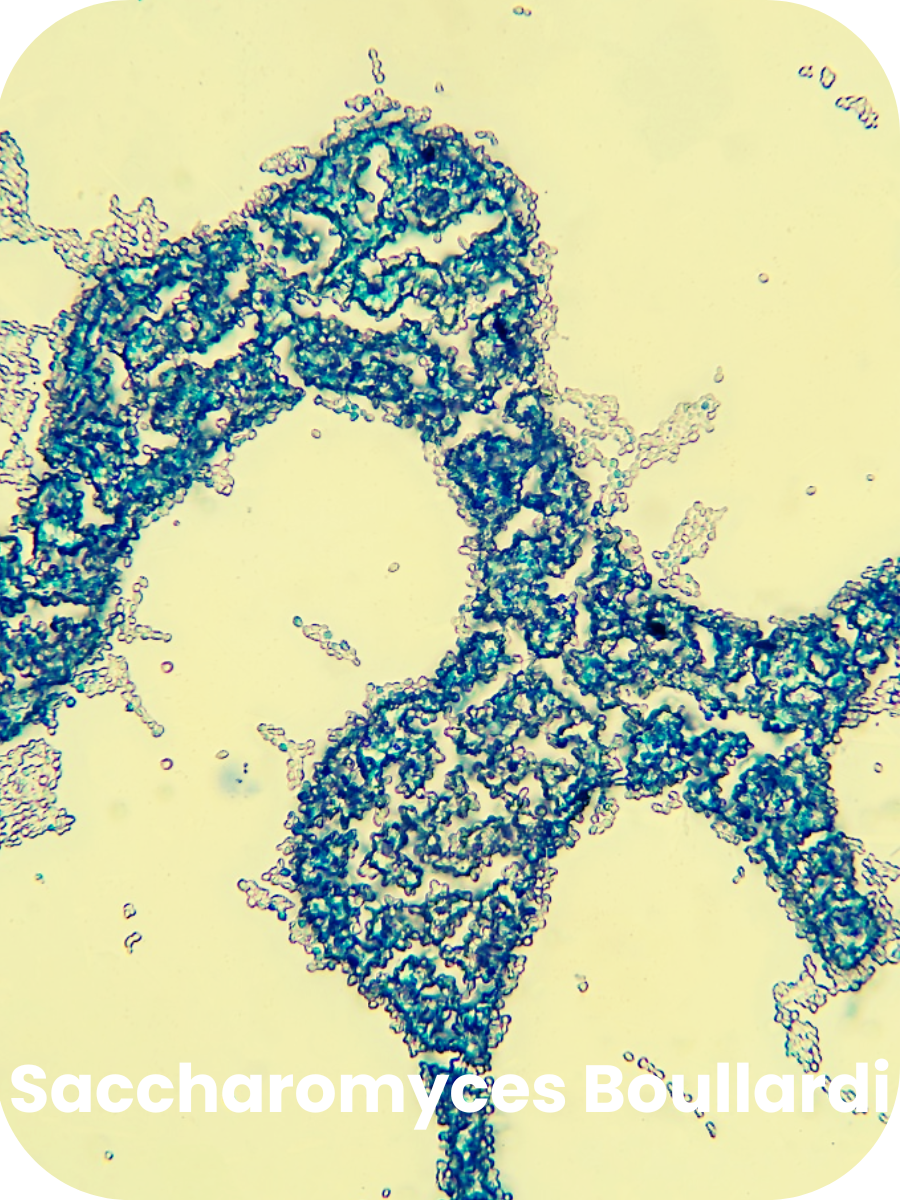
Saccharomyces boulardii: your gut-immune bodyguard.
Not just a probiotic—it's a beneficial yeast with unique properties that help stabilize and strengthen the gut-immune connection. Because over 70% of immune activity originates in the gastrointestinal tract, S. boulardii acts like a specialized security officer stationed at your immune headquarters—the gut lining—monitoring threats, preventing pathogen colonization, and maintaining immune harmony.*
-
Enhances gut barrier integrity, reducing “leaky gut” and preventing unwanted substances from entering systemic circulation.
Supports the production of secretory IgA (sIgA)—a key protective antibody found in mucosal tissues that helps block pathogens.
Displaces harmful microbes, preventing pathogenic bacteria and yeast from colonizing or overgrowing.
Reduces inflammatory signaling, promoting a balanced immune response instead of an overactive one.
Helps restore microbiome stability after sickness or antibiotic use, supporting resilient digestive and immune function.
Safe, non-colonizing, and transient, meaning it supports gut immunity while present but does not permanently alter gut flora.
-
S. boulardii increases mucosal IgA levels, strengthening front-line immune defense.
It improves intestinal barrier function and reduces gut inflammatory markers.
Supplementation helps protect against gastrointestinal infections and dysbiosis.
It supports microbiome resilience after antibiotic therapy.
Its immune benefits extend beyond the gut, positively influencing systemic immune response.
-
McFarland LV. Systematic review and meta-analysis of Saccharomyces boulardii in gastrointestinal diseases. World J Gastroenterol. 2010;16(18):2202-2222.
Kelesidis T, Pothoulakis C. Efficacy and safety of Saccharomyces boulardii for the prevention and therapy of gastrointestinal disorders. Therap Adv Gastroenterol. 2012;5(2):111–125.
Qamar A, Aboudola S, Warny M, et al. S. boulardii stimulates intestinal immunoglobulin A secretion in mice. J Infect Dis. 2001;183(7): 857-860.
Zanello G, et al. Saccharomyces boulardii effects on gut barrier function and immune response. Microbes Infect. 2009;11(6-7): 571-579.
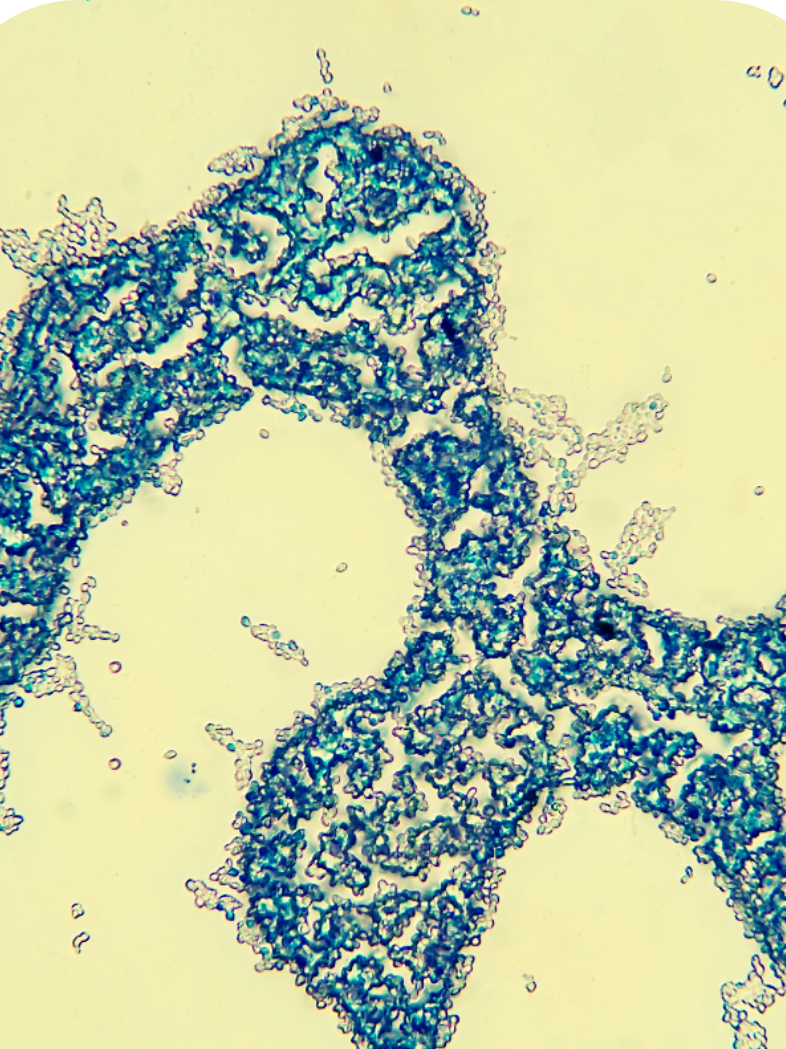
Vitamin C: the immune system’s rapid-response powerhouse.
Often the first nutrient people reach for when they feel a sniffle coming on—and for good reason. This water-soluble vitamin plays an active, hands-on role in immune defense, working at nearly every stage of the immune response. If vitamin D is the strategist, vitamin C is the first responder—rushing to the site of infection, supporting immune cell function, and helping control oxidative stress created during the battle.*
-
Vitamin C accumulates in immune cells—especially neutrophils—where it supports chemotaxis, phagocytosis, and microbial killing.
It strengthens epithelial barriers (skin, respiratory tract, and gut lining), helping prevent pathogens from entering the body in the first place.
Vitamin C supports both innate and adaptive immunity, enhancing the function of lymphocytes while protecting immune cells from oxidative damage.
It is a powerful antioxidant, neutralizing free radicals generated during infection and inflammation—reducing collateral tissue damage.
Vitamin C supports healthy cytokine signaling, helping the immune system mount an effective response without tipping into excessive inflammation.
Adequate vitamin C levels are associated with shorter illness duration and reduced symptom severity during respiratory infections.
During infection or physiological stress, vitamin C levels drop rapidly, increasing the body’s demand exactly when immune support is needed most.
-
Vitamin C supplementation reduces the duration and severity of common cold symptoms, particularly under conditions of physical stress or deficiency.
Vitamin C improves neutrophil function and enhances microbial clearance.
Deficiency is associated with impaired immunity and increased susceptibility to infections.
Vitamin C contributes to maintenance of the epithelial barrier against pathogens.
Higher vitamin C status is linked to improved immune resilience and recovery.
-
Carr AC, Maggini S. Vitamin C and immune function. Nutrients. 2017;9(11):1211.
Hemilä H, Chalker E. Vitamin C for preventing and treating the common cold. Cochrane Database Syst Rev. 2013;(1):CD000980.
Wintergerst ES, Maggini S, Hornig DH. Contribution of selected vitamins and trace elements to immune function. Ann Nutr Metab. 2007;51(4):301–323.
Maggini S, Beveridge S, Suter M. A combination of micronutrients supports immune function and helps to prevent infections. Nutrients. 2012;4(9):1342–1360.
Padayatty SJ, Levine M. Vitamin C: the known and the unknown and Goldilocks. Oral Dis. 2016;22(6):463–493.

Answers to Wandering Questions
-
The TLDR is our immune system is complex, adaptive, and innate. To optimize immune function, it needs support from a variety of mechanisms. The top selling immune supports focus on one, maybe two mechanisms of action. TravelBug is designed to target eight.*
See below for more information, or The Science page for a deep dive.
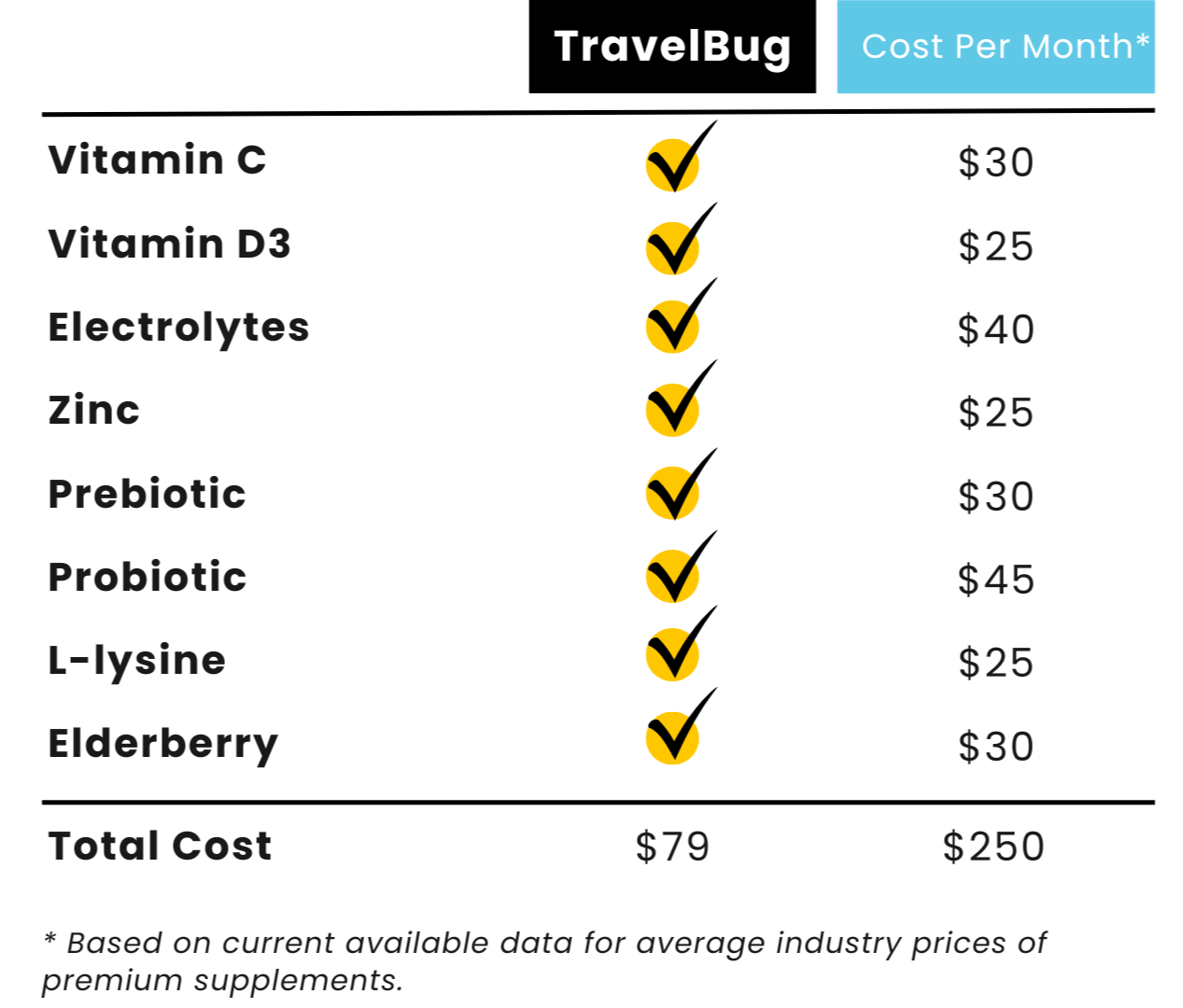
TravelBug combines vitamins, electrolytes, and gut-focused ingredients like Saccharomyces boulardii and Larch Arabinogalactan for daily immune support that travels with you. Thoughtfully dosed with Vitamin C, Vitamin D, Zinc, Elderberry, and L-Lysine, it delivers balanced, research-informed protection by supporting the immune system from a variety of mechanisms. TravelBug is intentionally formulated to include effective and safe ingredients as well as guided dosing for kids and adults. This sets us apart from the competition.* -
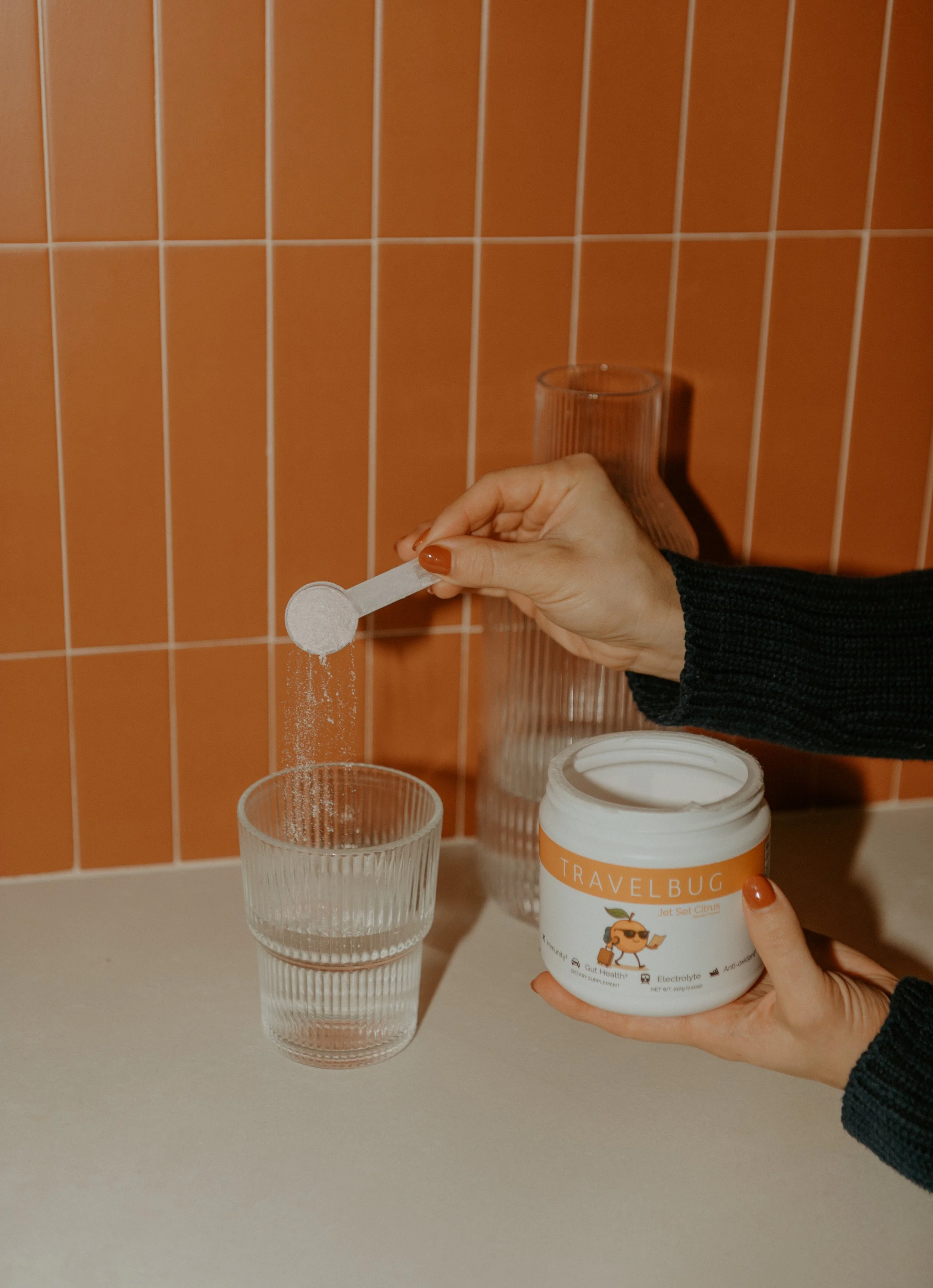
Our Jet Set Citrus powder mixes easily with water for simple and on-the-go dosing. We recommend dosing based on your weight for greatest safety and efficacy. Weighted dosage guidelines are provided on each TravelBug container for your convenience. Daily usage is recommended for preventative immune support during peak travel or sick seasons. TravelBug may be taken up to 3 times per day for more acute care for up to 10 days.*
-
We formulated TravelBug to include a variety of immune supportive ingredients at effective doses, with the goal that you will not need to take many other supplements as well. We recommend checking your other supplement/vitamin label ingredients to ensure you are not getting too much of any one ingredient. As always, check with your pediatrician or doctor if you have questions.*
-
Kids weighing 30+ lbs, take one quarter (1/4) scoop daily. Kids 60+ lbs, nursing moms take one half (1/2) scoop daily. Older kids (100+ lbs), and adults take one (1) scoop daily.*
-
We recommend taking TravelBug for immune support specifically. It is not formulated as a multivitamin, and should not be taken as one. In order to make a highly effective product for the whole family, we’ve made TravelBug in a powder form so you can adjust dosages for both acute illness and prevention as needed.*
TravelBug Wellness Co.
@travelbugwellness
contact@trvlbug.com
In partnership with Wella Clinic Naturopathic Medicine Inc.
1891 E Roseville Pkwy, Suite 190
California, Roseville 95661
(916) 298-6268